Soft washing targets compatible organic and atmospheric film
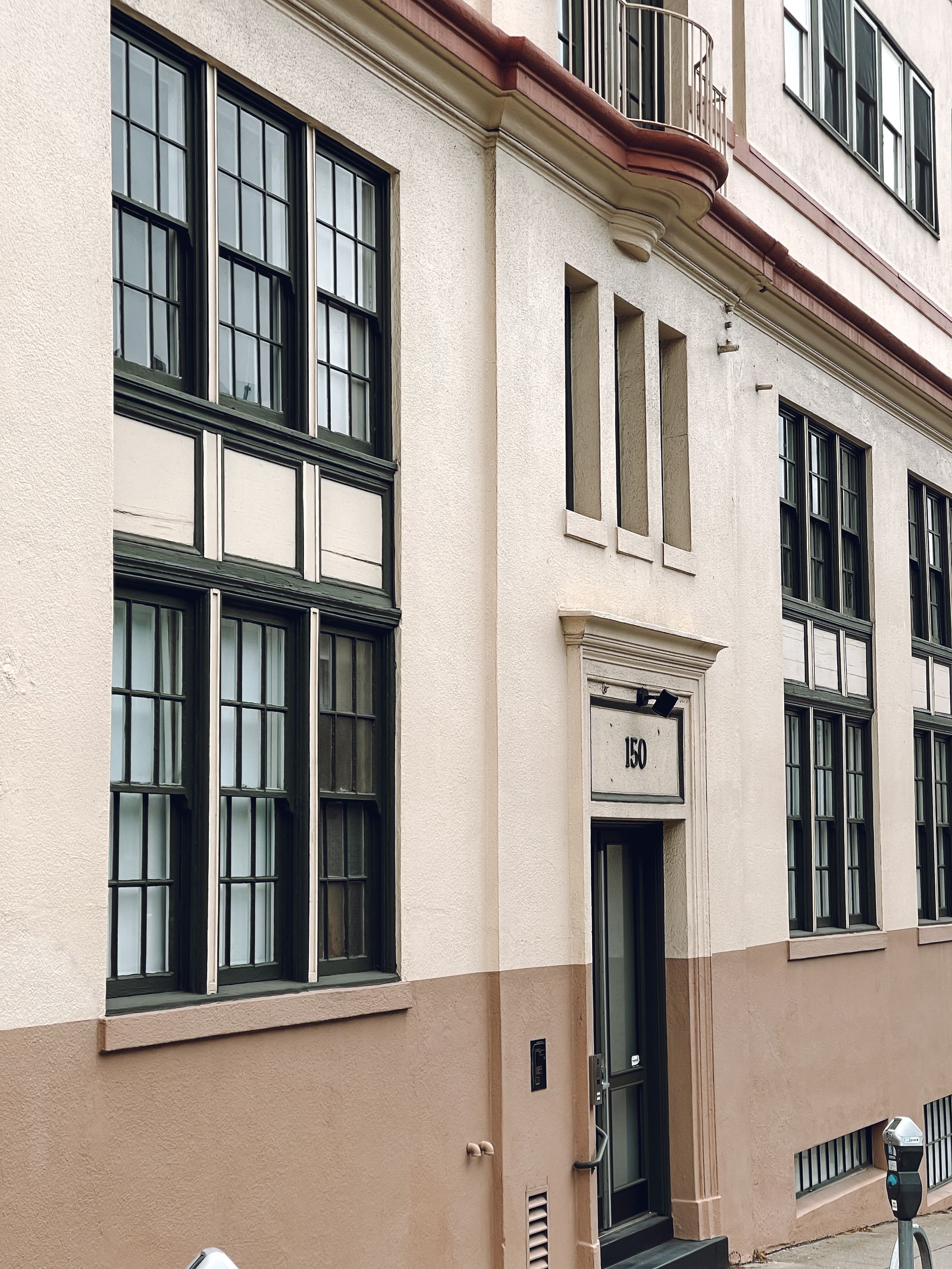
Soft washing generally combines a compatible cleaning solution, controlled dwell time, and a measured rinse on evaluated surfaces. The goal is to loosen or treat algae-like growth, mildew-like film, pollen, bird residue, and some atmospheric soil without relying on maximum water impact. That can fit a shaded hotel wall, damp stucco recess, or salt-and-sand-laden facade when the material, chemistry, weather, plants, glazing, metals, and drainage have been considered.
Soft washing is not a promise that every dark mark disappears. Mineral scale, oxidation, rust, embedded exhaust, old paint, failed coating, efflorescence, and drainage-related streaking may need specialty treatment or another trade. Coastal salt can also return after cleaning. A test area gives the facilities contact a more useful expectation than a generic claim: what improved, what remains, and whether the finish is acceptable for a broad elevation.
Pressure washing can fit durable zones, not every facade
Pressure washing can have a role on compatible concrete, selected curbs, loading areas, service aprons, or other durable hardscape when the operator controls pressure at the surface, flow, nozzle, distance, angle, and overspray. It can release loose soil and sand-bound residue where the material tolerates impact and the site can manage noise, splash, pedestrians, vehicles, landscaping, and runoff. A pressure number alone does not predict the result.
Too much force can etch concrete, stripe a surface, remove paint, disturb mortar, damage stucco or EIFS, force water behind openings, affect seals, or scatter contaminated soil toward a guest or patient route. Pressure also cannot solve a failed downspout, leaking joint, coating breakdown, or embedded mineral deposit. The correct comparison asks which zones can tolerate controlled pressure and which need treatment, gentle rinsing, contact work, or repair review.
- Use pressure only on materials and zones evaluated for impact, flow, splash, and runoff.
- Do not treat a pressure number as a full process or appearance guarantee.
- Protect joints, coatings, glazing, sealants, openings, landscaping, and occupied routes.
- Separate cleaning from repairs, restoration, leak diagnosis, and coating replacement.
Match the method to coastal materials and deposits
A green or black mark on a shaded brick wall may be biological growth, while a chalky trace on painted metal may be salt or oxidation. A lower wall beside a beach-facing parking area may carry sand and traffic soil. A hotel canopy may collect bird residue and damp film. A medical office entry may show splashback from landscaping or a drainage edge. Each condition needs observation before a method is assigned. The scope should say whether a zone receives soft washing, controlled pressure, water-fed or contact work, hand detail, a test patch, or no cleaning because the issue belongs to repair.
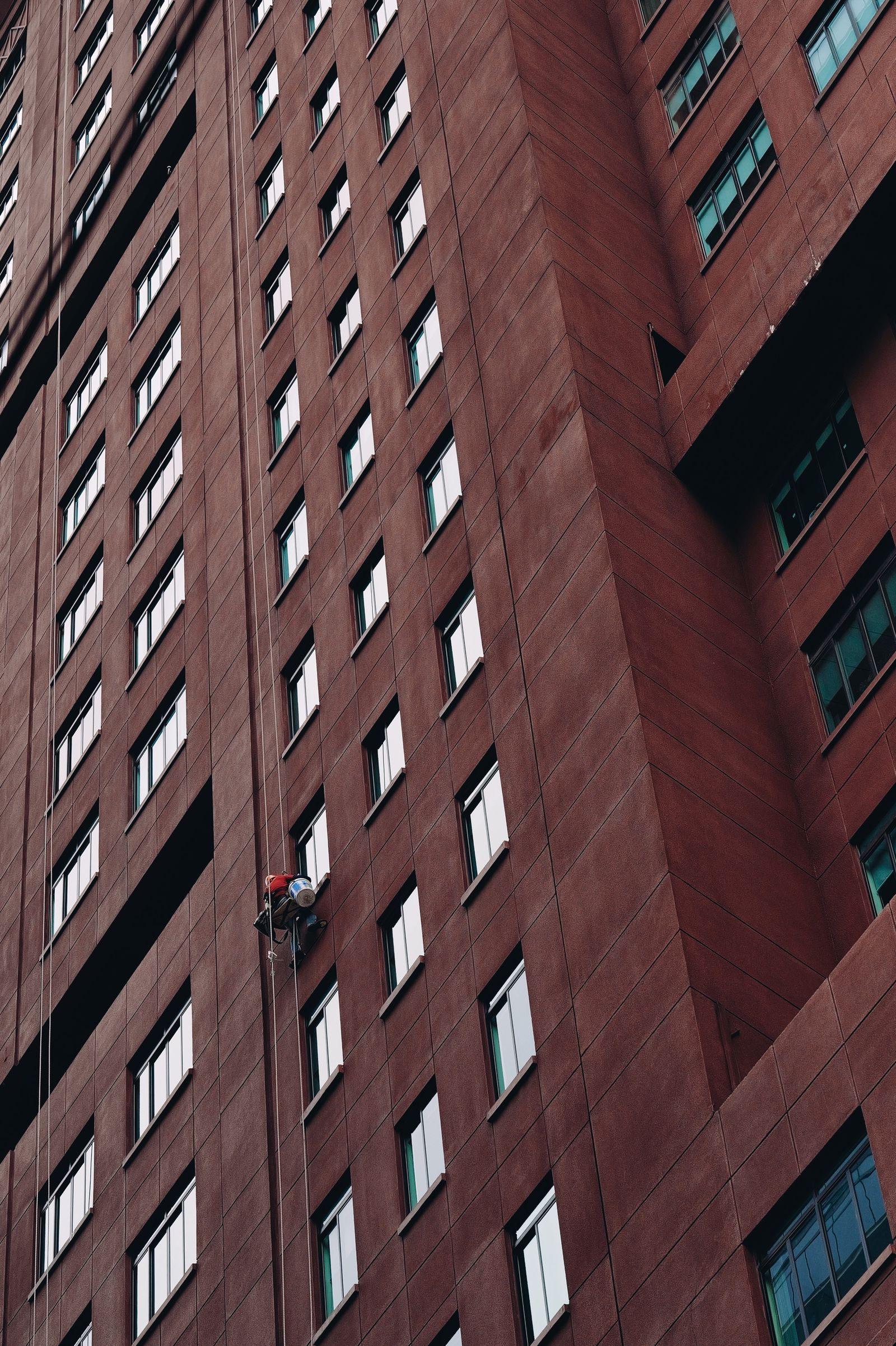
One property can need several methods on the same visit. Soft washing may suit compatible organic staining on an upper wall, controlled pressure may fit a durable service walk, and hand work may be appropriate around signs, door hardware, storefront frames, and delicate trim. A glass detail may need its own process. Drone assistance may help selected broad upper fields, but it does not replace close assessment, edge detail, or a safe way to manage people and water below.
Let property use determine the work window
Boardwalk and Ocean Boulevard properties may have hotel check-in, guest queues, restaurant seating, attraction traffic, bicycles, beach sand, valet movement, and public sidewalks. Market Common may add mixed-use walkways, outdoor dining, landscaping, shared parking, and event activity. US 17 retail and medical corridors may add drive-through circulation, customer arrivals, patient drop-off, pylon signs, deliveries, and broad parking lots. Office properties still have employees, tenants, service providers, and accessibility needs. The method must work within the real operating pattern of the site.
A pressure process can be louder and create more splash; a soft-wash process still requires chemical, plant, glazing, metal, air-intake, and runoff controls. Any method can become unsuitable if the route below is not separated or if a delivery arrives in the work zone. Phasing a main entrance, starting before opening, using a rear elevation first, or coordinating with a property contact may be more important than selecting a label. No uninterrupted operation should be promised before the site is reviewed.
Coastal weather changes both methods
Humidity, rainfall, wind, heat, shade, salt air, sand, and storms affect dwell time, drying, visibility, traction, overspray, and recurrence. Direct sun can shorten a treatment window; a shaded north wall can stay damp. Wind can carry spray or sand toward a neighboring storefront. Heavy rain can move rinse water toward curb inlets, landscaped low points, garages, or adjacent pavement. Lightning, gusts, tropical weather, or a surface that cannot dry predictably can require a pause or reschedule for either method.
The comparison should include a weather plan: forecast checks, surface condition, plant and equipment protection, secure hoses, a stop trigger, and a handback inspection after the surface can be judged. It should also ask why the stain formed. A blocked gutter, overflowing downspout, irrigation spray, failed joint, roof-edge defect, or low drainage point can recreate the mark after either soft washing or pressure washing. Cleaning and source correction are separate decisions.
Treat runoff as part of the method
Myrtle Beach sites may drain toward catch basins, curbs, swales, parking-lot low points, stormwater features, or coastal waters. South Carolina Department of Environmental Services notes that stormwater can carry dirt, debris, chemicals, and other pollutants into storm sewer systems and waterways. That makes water planning part of the soft-wash versus pressure-wash choice, not a final cleanup detail. The presence of a drain does not automatically authorize a discharge.
The appropriate controls depend on chemistry, soil, rinse volume, slope, drain type, and property requirements. They may include diversion, collection, recovery, reduced-rinse techniques, filtration, plant protection, disposal, or coordination with the responsible authority. A quote should identify likely flow paths, water access, low points, barriers, hose routes, landscaping, doors, air intakes, and the person authorized to pause work. It should record the completed elevations and any remaining residue or observed damage.
Consider access and aerial limits separately
Height does not determine the method by itself. Tight Ocean Boulevard staging, palm trees, overhead lines, balconies, rooftop equipment, busy sidewalks, parking decks, landscaping, and guest activity can affect lifts, poles, ground equipment, or drone operations. A drone may support suitable broad upper elevations when wind, airspace, launch and recovery space, stand-off distance, line of sight, public separation, and facade compatibility all work together. It remains subject to applicable FAA requirements and any site-specific authorization.
A practical quote names the aerial zones, ground controls, spotters, communications, emergency procedures, weather limits, and backup method. It also identifies where a lift, pole, water-fed system, or hand detail is needed. If the public route, finish sensitivity, or wind makes aerial work unsuitable, a different method may produce a more controlled result. The goal is a method map that reflects the building rather than a sales claim about one piece of equipment.
Use the quote to make the comparison specific
For a Myrtle Beach quote, share the address, building use, approximate height, facade materials, problem areas, representative photos, preferred timing, water availability, nearby drains, and public or tenant constraints. Identify whether the site is a hotel, restaurant, attraction, retail center, medical office, office, warehouse, or mixed-use building and whether guest, patient, employee, delivery, outdoor seating, or event activity affects the schedule. Mention salt, sand, algae-like growth, storms, drainage, and any known leaks, loose materials, coating failures, or prior cleaning damage.
Call +1 239-351-2897 or email contact@dronebuildingcleaners.com to get in touch. Drone Building Cleaners can review whether soft washing, controlled pressure, aerial assistance, or a hybrid scope fits the property and prepare a quote around the intended result. You can also see the [Myrtle Beach commercial soft-washing service](/locations/myrtle-beach-sc/services/commercial-building-soft-washing) and the [commercial soft-washing overview](/services/commercial-building-soft-washing) for related planning information.