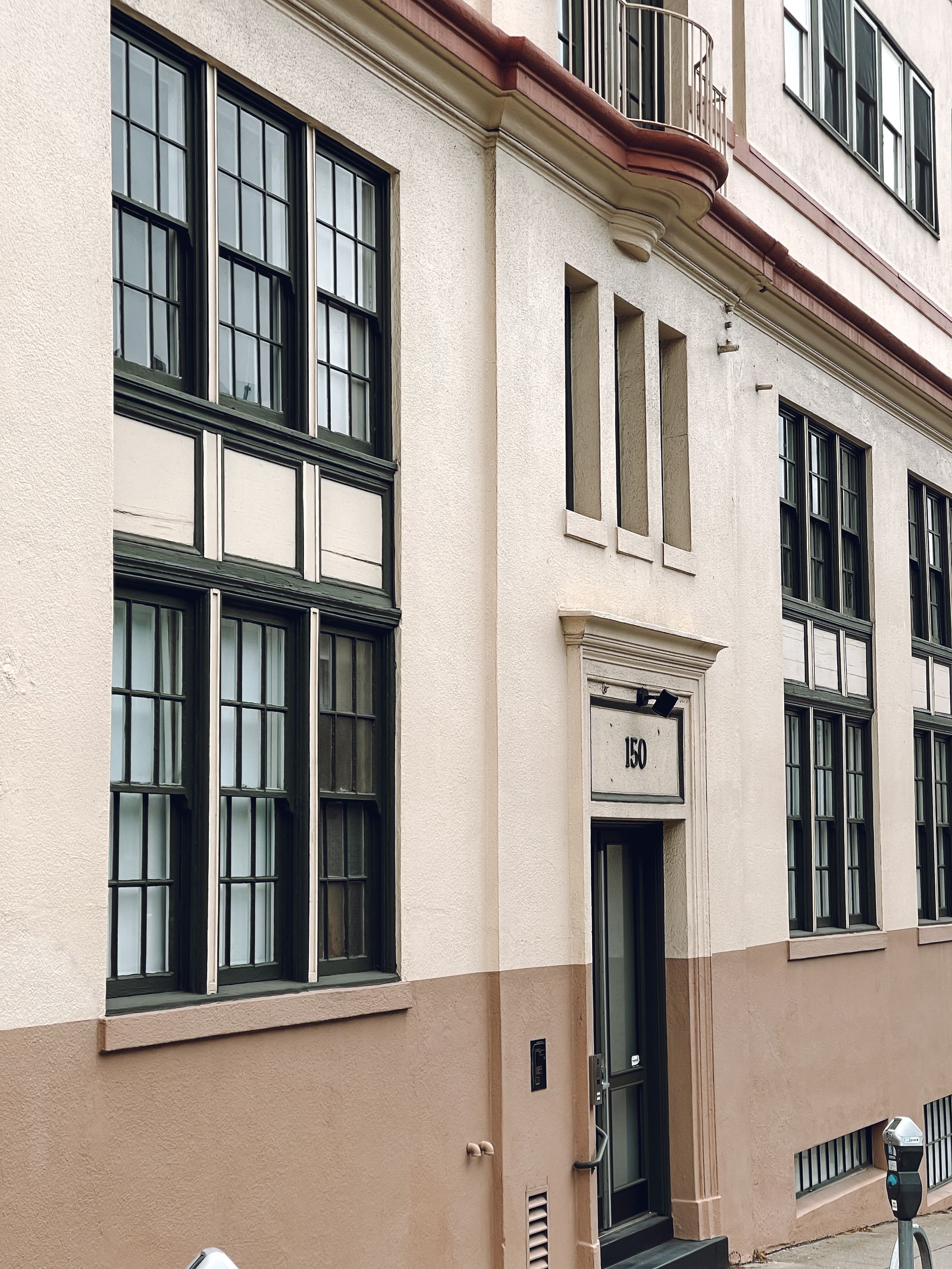
Assess the facade before choosing a treatment
Myrtle Beach commercial properties may combine brick, concrete, stucco, EIFS, painted metal, aluminum, glass, tile, stone, composite panels, canopies, and repaired sections. A dark band beside a hotel walkway can be algae-like growth, damp organic film, sand-bound soil, salt residue, roof runoff, exhaust, oxidation, or a coating problem. Those causes do not have the same remedy. A written scope should separate cleaning from mineral removal, rust or oxidation treatment, glass detailing, graffiti, repointing, waterproofing, and leak investigation.
A compatible soft-wash process can help with organic growth and some atmospheric film when the surface has been reviewed and a test area supports the expected result. The coastal setting makes testing especially useful on weathered paint, metal, sealants, decorative finishes, and areas where salt or sand has accumulated. The proposal should identify included elevations, likely improvement, exclusions, and deposits or damage that may remain because another trade or a specialty process is needed.
- Map brick, masonry, EIFS, stucco, concrete, glass, metal, tile, stone, and coatings.
- Distinguish salt, sand, algae-like growth, mildew-like film, traffic soil, minerals, oxidation, and damage.
- Test weathered, repaired, coated, or visually sensitive surfaces before broad application.
- Document the intended finish and remaining limitations before scheduling the full scope.
Plan for Boardwalk, Ocean Boulevard, and guest-facing work
Boardwalk and Ocean Boulevard properties often have guest arrivals, pedestrians, bicycles, beach traffic, outdoor seating, storefront glass, parking movement, deliveries, and public sidewalks close to the facade. Sand can collect at thresholds, ledges, textured walls, curb edges, and equipment bases. Salt-laden air can leave residue on metal, glazing, signs, and painted surfaces, while humidity and shade may support recurring organic film. A useful plan maps guest routes, accessible paths, valet or loading zones, doors, air intakes, cameras, vehicles, and the areas where a wet surface could create a slip or visibility issue.
Hotels, restaurants, attractions, and retail businesses may need work before guest arrival, after a high-traffic period, or in phases that keep the most important entrance available. A rear or side elevation may be a practical first phase while a main entrance remains open. The property contact should identify check-in peaks, outdoor dining, events, housekeeping movement, deliveries, quiet hours, and emergency access. No contract or operating result should be assumed; the schedule is built from the actual site information provided.
Treat Market Common and US 17 as different operating environments
Market Common can bring mixed-use storefronts, restaurants, offices, residential neighbors, landscaped walkways, structured or surface parking, and event activity into one cleaning footprint. The work plan may need to keep pedestrian connections, outdoor seating, landscaping, irrigation, and shared access clear. A property along US 17 may instead involve larger setbacks, drive-through circulation, shopping-center traffic, pylon signs, delivery lanes, medical offices, hotels, and broad parking areas. Both settings need a site-specific method, but their staging, hose routing, public separation, and drainage can be quite different.
Medical and office properties need predictable access for patients, staff, tenants, visitors, and service providers. Hospitality sites need guest-facing coordination without implying a particular client relationship. Retail and restaurant properties may need visible entries cleaned in short sections around opening, deliveries, and customer flow. The quote should name the elevations, water assumptions, access equipment, work windows, protection, and handback process instead of promising an uninterrupted operation that has not been assessed.
Account for salt, humidity, sand, algae, and storms
Myrtle Beach's coastal exposure can put salt residue and windblown sand on walls, frames, signs, canopies, and lower elevations. Humidity, rainfall, shaded north-facing walls, irrigated landscaping, and slow-drying recesses can contribute to algae-like or mildew-like film. Wind can move sand back onto a cleaned threshold or make spray control difficult. These conditions affect both the expected appearance and the maintenance conversation. Cleaning can improve a surface without preventing a new deposit from arriving later.
Thunderstorms, tropical systems, heavy rain, lightning, gusts, and shifting wind can change dwell time, overspray, traction, aerial stability, and runoff. A responsible schedule includes forecast checks, a pause trigger, secured equipment, and a rescheduling window. If a storm changes the water path or leaves the facade too wet to inspect, the sequence should change rather than force a rushed handback. Roof edges, gutters, downspouts, irrigation, failed joints, and low points should also be noted when they may be contributing to recurring streaks.
Protect drainage, landscaping, and occupied routes
Coastal commercial sites may drain toward curb inlets, swales, parking-lot low points, landscaped beds, garages, beach-access routes, or neighboring pavement. Rinse water and loosened soil can travel farther than expected, especially when wind or a sloped lot changes the flow. Before setup, identify drains, doors, air intakes, electrical equipment, plants, irrigation, vehicles, accessible paths, hose crossings, and the property contact who can stop work if pedestrian movement or runoff changes.
South Carolina Department of Environmental Services explains that stormwater can carry debris, chemicals, dirt, and other pollutants into storm sewer systems or coastal waters. The presence of a storm drain is not automatic permission to discharge treated wash water. Controls depend on the products used, soil removed, rinse volume, slope, drain type, and property requirements and may include protection, diversion, collection, recovery, reduced-rinse methods, filtration, disposal, or coordination with the responsible authority. The scope should state assumptions and document completed elevations, remaining deposits, observed damage, and any deferred work.
- Locate drains, low points, landscaping, irrigation, entrances, air intakes, vehicles, and public routes.
- Confirm water access, hose paths, barriers, spotters, and emergency access before setup.
- Define runoff controls and a stop condition for unexpected water movement or public activity.
- Record cleaned zones, remaining deposits, damage, weather changes, and areas needing another trade.
Use aerial assistance only where the site supports it
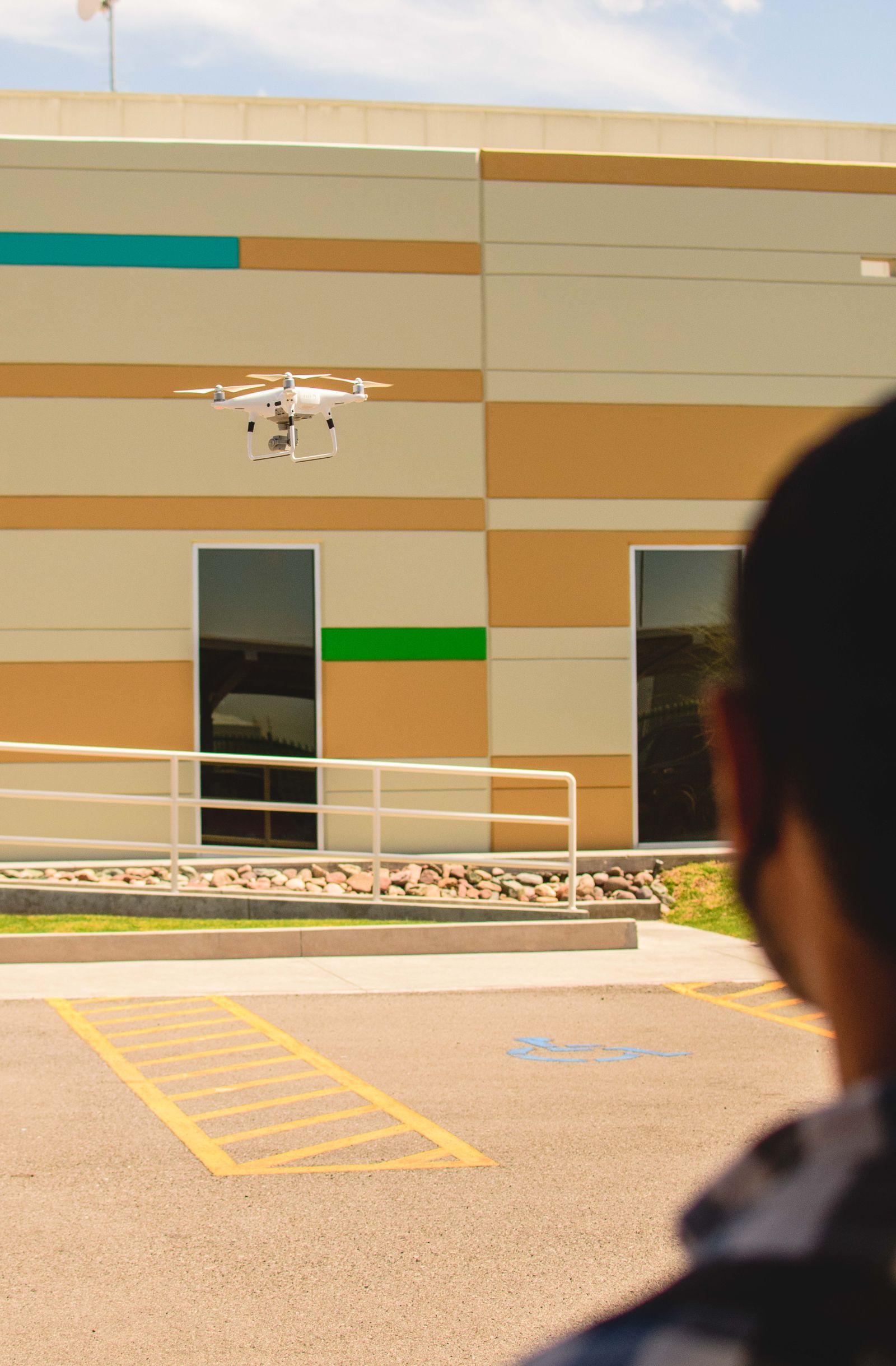
Drone-assisted application or rinsing may help on suitable broad upper elevations when the Myrtle Beach site offers workable wind, line of sight, launch and recovery space, stand-off distance, compliant airspace, and separation from people and property. It is not automatically suitable for every wall. Wires, palm trees, balconies, rooftop equipment, tight courtyards, ornate trim, busy sidewalks, delicate glazing, and gusts can make a lift, pole, ground system, or hand detail more appropriate.
Commercial drone operations must follow applicable Federal Aviation Administration requirements and any authorization required for the address and date. A responsible proposal identifies aerial zones, spotters, communications, emergency procedures, weather limits, barriers, and the backup method if conditions change. A hybrid scope can use aerial assistance on broad upper fields while using controlled contact work around doors, frames, ledges, signs, canopies, and areas where precision matters more than reach.
Request a quote that matches the property
Send the Myrtle Beach address, wide and close photos, approximate height, known materials, priority elevations, visible deposits, desired result, preferred work windows, water access, drainage concerns, and restrictions involving guests, patients, tenants, employees, deliveries, events, security, or public sidewalks. Mention whether the site is near the Boardwalk, Ocean Boulevard, Market Common, US 17, or another corridor when that affects staging or public movement. Those details help determine whether a remote review, site visit, test area, or hybrid plan should come next.
A useful proposal names the method by material and elevation, access approach, water and runoff assumptions, weather limits, occupied-site controls, intended finish, exclusions, and closeout documentation. To get in touch, call +1 239-351-2897, email contact@dronebuildingcleaners.com, or use the quote form. You can also review the [commercial building soft washing service](/services/commercial-building-soft-washing) and the [soft wash versus pressure wash guide](/locations/myrtle-beach-sc/insights/soft-wash-vs-pressure-wash-commercial) before sending the property details.